Buy tvorba-webovych-stranek-plzen.eu ?
We are moving the project
tvorba-webovych-stranek-plzen.eu .
Are you interested in purchasing the domain
tvorba-webovych-stranek-plzen.eu ?
domain@kv-gmbh.de · 0541-91531010
Buy tvorba-webovych-stranek-plzen.eu ?
Is lithium carbonate corrosive?
Lithium carbonate is not considered corrosive. It is a stable compound that is commonly used in the treatment of bipolar disorder and depression. However, like any chemical substance, it should be handled with care and stored properly to avoid any potential hazards. **
Can sodium carbonate expire?
Sodium carbonate, also known as soda ash or washing soda, does not have an expiration date. It is a stable compound that does not degrade over time. As long as it is stored in a cool, dry place and kept away from moisture, sodium carbonate can be used indefinitely for various household and industrial purposes. **


Similar search terms for Carbonate
Top-Angebote
Products related to Carbonate:
-
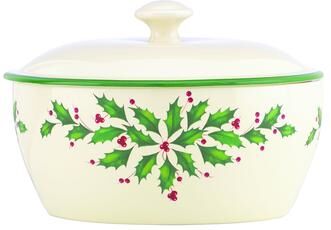
Lenox Hosting The Holidays Covered CasseroleThis Hosting the Holidays Casserole Dish is ideal for serving large dinner parties. Crafted of durable ivory porcelain, this spacious dish features a festive holly motif and comes with a matching lid.45,99 $*Shipping: 0,00 $Secure redirect to the provider
-
Lenox Hosting The Holidays Bread TrayWhether presenting an assortment of rolls or a buttery log of Texas toast, this festive ceramic Hosting the Holidays Bread Tray will not disappoint. The tray features a holly motif and is accented with 24-karat gold.44,49 $*Shipping: 0,00 $Secure redirect to the provider
-
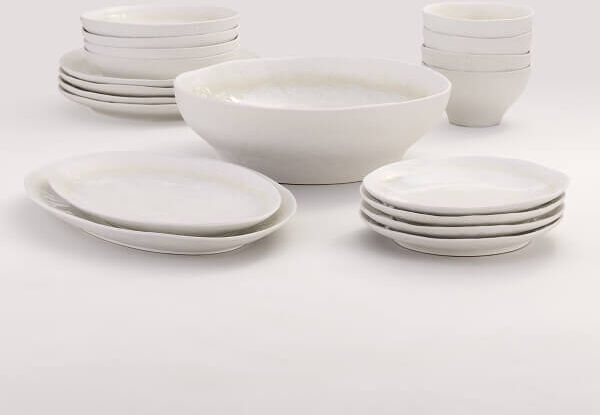
Stellar Stoneware Bantham Hosting For 4 SetIntroduce calm, contemporary style to your table with the Stellar Stoneware Bantham collection. Defined by smooth, modern contours and a soft green reactive glaze, each piece brings a fresh, artisan-inspired feel to everyday dining. Crafted from durable stoneware and fired for exceptional strength, the range offers excellent resistance to chipping and everyday wear. The naturally smooth glazed finish resists staining, cleans with ease, and provides a reassuringly balanced feel in hand. Its thick stoneware construction also enhances heat retention, helping dishes stay warmer for longer. Designed for modern living, every piece is microwave, dishwasher, and oven safe (up to 180°C), making the collection as practical as it is elegant—ideal for both daily use and relaxed entertaining. Set includes: 4 dinner plates, 4 side plates, 4x pasta bowls, 4 cereal bowls, 1x medium platter, 1x large platter and 1x serving bowl.199,95 £*Shipping: 0,00 £Secure redirect to the provider


-
Why are lithium salts easily soluble in ethylene carbonate and diethyl carbonate?
Lithium salts are easily soluble in ethylene carbonate and diethyl carbonate because these solvents have a high dielectric constant and good solvating properties. This means that they are able to effectively dissolve and stabilize the lithium ions, allowing for the formation of a stable solution. Additionally, the relatively small size of the lithium ion allows it to be easily accommodated within the molecular structure of these solvents, further enhancing their solubility. Overall, the combination of high dielectric constant and good solvating properties makes ethylene carbonate and diethyl carbonate ideal solvents for dissolving lithium salts. **
-
What is the difference between the carbonate ion and the hydrogen carbonate ion?
The carbonate ion (CO3^2-) has a charge of -2 and consists of three oxygen atoms bonded to a central carbon atom. In contrast, the hydrogen carbonate ion (HCO3^-) has a charge of -1 and consists of one hydrogen atom, one carbon atom, and three oxygen atoms. The hydrogen carbonate ion is derived from the carbonate ion by the addition of a hydrogen ion, making it a conjugate acid of the carbonate ion. **
-
How is copper carbonate produced?
Copper carbonate is produced by reacting copper(II) sulfate with sodium carbonate. The two compounds are mixed together in a solution, and a chemical reaction occurs, resulting in the formation of copper carbonate as a solid precipitate. The copper carbonate can then be filtered and dried to obtain the final product. This process is commonly used in laboratory settings to produce copper carbonate for various applications. **
-
Does chalk contain calcium carbonate?
Yes, chalk does contain calcium carbonate. In fact, calcium carbonate is the main component of chalk, making up about 90-95% of its composition. This is why chalk is often used in classrooms and for drawing, as it provides a smooth and easily erasable surface due to its calcium carbonate content. **

How is carbonate bauxite formed?
Carbonate bauxite is formed through the weathering and leaching of aluminum-rich rocks such as granite, syenite, and basalt. This process involves the breakdown of aluminum-bearing minerals, such as feldspar, under tropical or subtropical conditions. The aluminum is then carried by water and deposited in a new location, where it undergoes further chemical reactions to form carbonate bauxite. This type of bauxite is typically found in areas with high rainfall and warm temperatures, such as parts of the Caribbean and West Africa. **
Why is carbonate doubly negatively charged?
Carbonate (CO3^2-) is doubly negatively charged because it consists of one carbon atom and three oxygen atoms. Each oxygen atom contributes two electrons to form a total of six electrons, while the carbon atom contributes four electrons. This results in a total of ten electrons, giving carbonate a charge of -2 to achieve stability through a full outer electron shell. **
Top-Angebote
Products related to Carbonate:
-
Uplift Essentials Sakura Blossom Temperature Responsive Moisturizing Lip Balm Sakura Blossom Temperature Responsive Moisturizing Lip BalmImmerse yourself in the delicate essence of spring with a lip treatment that offers both beauty and deep restoration. This colorchanging lip balm features advanced pHsensing technology that reacts to your bodys unique warmth, blooming into a...31,97 $*Shipping: 0,00 $Secure redirect to the provider
-
Lenox Hosting The Holidays Covered CasseroleThis Hosting the Holidays Casserole Dish is ideal for serving large dinner parties. Crafted of durable ivory porcelain, this spacious dish features a festive holly motif and comes with a matching lid.45,99 $*Shipping: 0,00 $Secure redirect to the provider
-
Lenox Hosting The Holidays Bread TrayWhether presenting an assortment of rolls or a buttery log of Texas toast, this festive ceramic Hosting the Holidays Bread Tray will not disappoint. The tray features a holly motif and is accented with 24-karat gold.44,49 $*Shipping: 0,00 $Secure redirect to the provider
-
Is lithium carbonate corrosive?
Lithium carbonate is not considered corrosive. It is a stable compound that is commonly used in the treatment of bipolar disorder and depression. However, like any chemical substance, it should be handled with care and stored properly to avoid any potential hazards. **
-
Can sodium carbonate expire?
Sodium carbonate, also known as soda ash or washing soda, does not have an expiration date. It is a stable compound that does not degrade over time. As long as it is stored in a cool, dry place and kept away from moisture, sodium carbonate can be used indefinitely for various household and industrial purposes. **
-
Why are lithium salts easily soluble in ethylene carbonate and diethyl carbonate?
Lithium salts are easily soluble in ethylene carbonate and diethyl carbonate because these solvents have a high dielectric constant and good solvating properties. This means that they are able to effectively dissolve and stabilize the lithium ions, allowing for the formation of a stable solution. Additionally, the relatively small size of the lithium ion allows it to be easily accommodated within the molecular structure of these solvents, further enhancing their solubility. Overall, the combination of high dielectric constant and good solvating properties makes ethylene carbonate and diethyl carbonate ideal solvents for dissolving lithium salts. **
-
What is the difference between the carbonate ion and the hydrogen carbonate ion?
The carbonate ion (CO3^2-) has a charge of -2 and consists of three oxygen atoms bonded to a central carbon atom. In contrast, the hydrogen carbonate ion (HCO3^-) has a charge of -1 and consists of one hydrogen atom, one carbon atom, and three oxygen atoms. The hydrogen carbonate ion is derived from the carbonate ion by the addition of a hydrogen ion, making it a conjugate acid of the carbonate ion. **
Similar search terms for Carbonate
-
Stellar Stoneware Bantham Hosting For 4 SetIntroduce calm, contemporary style to your table with the Stellar Stoneware Bantham collection. Defined by smooth, modern contours and a soft green reactive glaze, each piece brings a fresh, artisan-inspired feel to everyday dining. Crafted from durable stoneware and fired for exceptional strength, the range offers excellent resistance to chipping and everyday wear. The naturally smooth glazed finish resists staining, cleans with ease, and provides a reassuringly balanced feel in hand. Its thick stoneware construction also enhances heat retention, helping dishes stay warmer for longer. Designed for modern living, every piece is microwave, dishwasher, and oven safe (up to 180°C), making the collection as practical as it is elegant—ideal for both daily use and relaxed entertaining. Set includes: 4 dinner plates, 4 side plates, 4x pasta bowls, 4 cereal bowls, 1x medium platter, 1x large platter and 1x serving bowl.199,95 £*Shipping: 0,00 £Secure redirect to the provider
-
Stellar Stoneware Bantham Hosting For 8 SetIntroduce calm, contemporary style to your table with the Stellar Stoneware Bantham collection. Defined by smooth, modern contours and a soft green reactive glaze, each piece brings a fresh, artisan-inspired feel to everyday dining. Crafted from durable stoneware and fired for exceptional strength, the range offers excellent resistance to chipping and everyday wear. The naturally smooth glazed finish resists staining, cleans with ease, and provides a reassuringly balanced feel in hand. Its thick stoneware construction also enhances heat retention, helping dishes stay warmer for longer. Designed for modern living, every piece is microwave, dishwasher, and oven safe (up to 180°C), making the collection as practical as it is elegant—ideal for both daily use and relaxed entertaining. Set includes: 8 dinner plates, 8 side plates, 8x pasta bowls, 8 cereal bowls, 1x medium platter, 1x large platter and 1x serving bowl324,95 £*Shipping: 0,00 £Secure redirect to the provider
-
Stellar Stoneware Mylor Hosting For 4 SetElevate everyday dining with the Stellar Stoneware Mylor collection, defined by its rich reactive glaze that gives each piece a subtly unique character. Blending warmth with understated style, Mylor brings a considered, artisanal touch to both casual meals and relaxed entertaining. Crafted from durable stoneware and fired for strength, each piece is designed to withstand daily use while maintaining its refined appearance. Plates and bowls are thoughtfully weighted for a balanced, comfortable feel in hand—offering reassuring sturdiness without compromising elegance. The thick stoneware construction also provides excellent heat retention, helping dishes stay warmer for longer. Designed for modern living, the collection is microwave and dishwasher safe, and suitable for oven use up to 180°C—ideal for everything from reheating to finishing dishes. Set includes: 4 dinner plates, 4 side plates, 4x pasta bowls, 4 cereal bowls, 1x medium platter, 1x large platter and 1x serving bowl.199,95 £*Shipping: 0,00 £Secure redirect to the provider
-
How is copper carbonate produced?
Copper carbonate is produced by reacting copper(II) sulfate with sodium carbonate. The two compounds are mixed together in a solution, and a chemical reaction occurs, resulting in the formation of copper carbonate as a solid precipitate. The copper carbonate can then be filtered and dried to obtain the final product. This process is commonly used in laboratory settings to produce copper carbonate for various applications. **
-
Does chalk contain calcium carbonate?
Yes, chalk does contain calcium carbonate. In fact, calcium carbonate is the main component of chalk, making up about 90-95% of its composition. This is why chalk is often used in classrooms and for drawing, as it provides a smooth and easily erasable surface due to its calcium carbonate content. **
-
How is carbonate bauxite formed?
Carbonate bauxite is formed through the weathering and leaching of aluminum-rich rocks such as granite, syenite, and basalt. This process involves the breakdown of aluminum-bearing minerals, such as feldspar, under tropical or subtropical conditions. The aluminum is then carried by water and deposited in a new location, where it undergoes further chemical reactions to form carbonate bauxite. This type of bauxite is typically found in areas with high rainfall and warm temperatures, such as parts of the Caribbean and West Africa. **
-
Why is carbonate doubly negatively charged?
Carbonate (CO3^2-) is doubly negatively charged because it consists of one carbon atom and three oxygen atoms. Each oxygen atom contributes two electrons to form a total of six electrons, while the carbon atom contributes four electrons. This results in a total of ten electrons, giving carbonate a charge of -2 to achieve stability through a full outer electron shell. **
* All prices are inclusive of VAT and, if applicable, plus shipping costs. The offer information is based on the details provided by the respective shop and is updated through automated processes. Real-time updates do not occur, so deviations can occur in individual cases. ** Note: Parts of this content were created by AI.