Buy tvorba-webovych-stranek-plzen.eu ?
We are moving the project
tvorba-webovych-stranek-plzen.eu .
Are you interested in purchasing the domain
tvorba-webovych-stranek-plzen.eu ?
domain@kv-gmbh.de · 0541-91531010
Buy tvorba-webovych-stranek-plzen.eu ?
What is the Antarctic?
The Antarctic is a continent located at the southernmost part of the Earth. It is covered in ice and is home to the South Pole. The Antarctic is known for its extreme cold temperatures and harsh, remote environment. It is also a place of scientific research and exploration, with many countries operating research stations there to study the unique ecosystem and climate. **
Is the Antarctic a desert?
Yes, the Antarctic is considered a desert because it receives very little precipitation, with an average annual precipitation of only about 8 inches. The majority of the continent is covered by ice, and the dry, cold conditions make it similar to a desert environment. In fact, the Antarctic is the driest and windiest continent on Earth, with extremely low humidity and limited plant and animal life. **


Similar search terms for Antarctic
Top-Angebote
Products related to Antarctic:
-
Uplift Essentials Sakura Blossom Temperature Responsive Moisturizing Lip Balm Sakura Blossom Temperature Responsive Moisturizing Lip BalmImmerse yourself in the delicate essence of spring with a lip treatment that offers both beauty and deep restoration. This colorchanging lip balm features advanced pHsensing technology that reacts to your bodys unique warmth, blooming into a...31,97 $*Shipping: 0,00 $Secure redirect to the provider
-
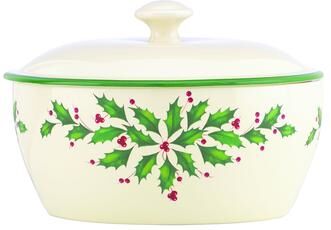
Lenox Hosting The Holidays Covered CasseroleThis Hosting the Holidays Casserole Dish is ideal for serving large dinner parties. Crafted of durable ivory porcelain, this spacious dish features a festive holly motif and comes with a matching lid.45,99 $*Shipping: 0,00 $Secure redirect to the provider



-
Can one cross under the Antarctic?
No, it is not possible to cross under the Antarctic continent. The continent is covered by a thick ice sheet, and there are no land routes that connect the opposite sides of the continent. Additionally, the extreme cold and harsh conditions make it nearly impossible for any kind of overland crossing to be attempted. The most common way to reach the opposite side of the continent is by air or sea. **
-
What is happening with the Antarctic?
The Antarctic is experiencing significant changes due to climate change. The region is warming at a faster rate than the global average, leading to the melting of its ice sheets and glaciers. This is contributing to rising sea levels and impacting the delicate ecosystems and wildlife that call the Antarctic home. Additionally, there are concerns about the potential release of large amounts of freshwater from the melting ice, which could disrupt ocean currents and further exacerbate global climate patterns. Efforts are being made to study and monitor these changes in order to better understand and mitigate their impacts. **
-
What are biotic factors in the Antarctic?
Biotic factors in the Antarctic include various species of algae, mosses, lichens, and other plants that are able to survive in the extreme cold and harsh conditions. Additionally, there are a variety of animal species such as penguins, seals, and various types of birds that have adapted to the Antarctic environment. These biotic factors play a crucial role in the Antarctic ecosystem, contributing to the overall biodiversity and functioning of the region. **
-
Why is the Antarctic so worth protecting?
The Antarctic is worth protecting because it is home to a unique and delicate ecosystem that supports a wide variety of wildlife, including penguins, seals, and whales. It also plays a crucial role in regulating the Earth's climate and ocean currents. Additionally, the Antarctic contains valuable scientific information about the Earth's history and climate, which can help us better understand and address global environmental issues. Protecting the Antarctic is essential to preserving its biodiversity and ensuring the health of the planet as a whole. **


Can polar bears survive in the Antarctic?
No, polar bears cannot survive in the Antarctic. Polar bears are native to the Arctic region and are adapted to the cold climate and sea ice habitat found there. The Antarctic, on the other hand, is a continent surrounded by the Southern Ocean and is home to a different set of animals, such as penguins and seals. The climate and ecosystem of the Antarctic are not suitable for polar bears to survive. **
What are abiotic factors in the Antarctic?
Abiotic factors in the Antarctic include extreme cold temperatures, strong winds, low precipitation, and high levels of ultraviolet radiation due to the hole in the ozone layer. The frozen landscape is also a significant abiotic factor, as the ice and snow cover much of the continent. These abiotic factors create a harsh environment that shapes the unique ecosystems and limits the types of organisms that can survive in the Antarctic. **
Top-Angebote
Products related to Antarctic:
-
Coma Inducer® Antarctic Penguin Baby King Brown Oversize Comforter SetInspired by fluffy, soft penguins. A lot of the time when we think of penguins we think of the adults, but have you seen photos of baby emperor and brown baby king penguins?! Are you kidding me?!262,49 $*Shipping: 0,00 $Secure redirect to the provider
-
Uplift Essentials Sakura Blossom Temperature Responsive Moisturizing Lip Balm Sakura Blossom Temperature Responsive Moisturizing Lip BalmImmerse yourself in the delicate essence of spring with a lip treatment that offers both beauty and deep restoration. This colorchanging lip balm features advanced pHsensing technology that reacts to your bodys unique warmth, blooming into a...31,97 $*Shipping: 0,00 $Secure redirect to the provider
-
What is the Antarctic?
The Antarctic is a continent located at the southernmost part of the Earth. It is covered in ice and is home to the South Pole. The Antarctic is known for its extreme cold temperatures and harsh, remote environment. It is also a place of scientific research and exploration, with many countries operating research stations there to study the unique ecosystem and climate. **
-
Is the Antarctic a desert?
Yes, the Antarctic is considered a desert because it receives very little precipitation, with an average annual precipitation of only about 8 inches. The majority of the continent is covered by ice, and the dry, cold conditions make it similar to a desert environment. In fact, the Antarctic is the driest and windiest continent on Earth, with extremely low humidity and limited plant and animal life. **
-
Can one cross under the Antarctic?
No, it is not possible to cross under the Antarctic continent. The continent is covered by a thick ice sheet, and there are no land routes that connect the opposite sides of the continent. Additionally, the extreme cold and harsh conditions make it nearly impossible for any kind of overland crossing to be attempted. The most common way to reach the opposite side of the continent is by air or sea. **
-
What is happening with the Antarctic?
The Antarctic is experiencing significant changes due to climate change. The region is warming at a faster rate than the global average, leading to the melting of its ice sheets and glaciers. This is contributing to rising sea levels and impacting the delicate ecosystems and wildlife that call the Antarctic home. Additionally, there are concerns about the potential release of large amounts of freshwater from the melting ice, which could disrupt ocean currents and further exacerbate global climate patterns. Efforts are being made to study and monitor these changes in order to better understand and mitigate their impacts. **
Similar search terms for Antarctic
-
Lenox Hosting The Holidays Covered CasseroleThis Hosting the Holidays Casserole Dish is ideal for serving large dinner parties. Crafted of durable ivory porcelain, this spacious dish features a festive holly motif and comes with a matching lid.45,99 $*Shipping: 0,00 $Secure redirect to the provider
-
Lenox Hosting The Holidays Bread TrayWhether presenting an assortment of rolls or a buttery log of Texas toast, this festive ceramic Hosting the Holidays Bread Tray will not disappoint. The tray features a holly motif and is accented with 24-karat gold.44,49 $*Shipping: 0,00 $Secure redirect to the provider
-
Stellar Stoneware Bantham Hosting For 4 SetIntroduce calm, contemporary style to your table with the Stellar Stoneware Bantham collection. Defined by smooth, modern contours and a soft green reactive glaze, each piece brings a fresh, artisan-inspired feel to everyday dining. Crafted from durable stoneware and fired for exceptional strength, the range offers excellent resistance to chipping and everyday wear. The naturally smooth glazed finish resists staining, cleans with ease, and provides a reassuringly balanced feel in hand. Its thick stoneware construction also enhances heat retention, helping dishes stay warmer for longer. Designed for modern living, every piece is microwave, dishwasher, and oven safe (up to 180°C), making the collection as practical as it is elegant—ideal for both daily use and relaxed entertaining. Set includes: 4 dinner plates, 4 side plates, 4x pasta bowls, 4 cereal bowls, 1x medium platter, 1x large platter and 1x serving bowl.199,95 £*Shipping: 0,00 £Secure redirect to the provider
-
What are biotic factors in the Antarctic?
Biotic factors in the Antarctic include various species of algae, mosses, lichens, and other plants that are able to survive in the extreme cold and harsh conditions. Additionally, there are a variety of animal species such as penguins, seals, and various types of birds that have adapted to the Antarctic environment. These biotic factors play a crucial role in the Antarctic ecosystem, contributing to the overall biodiversity and functioning of the region. **
-
Why is the Antarctic so worth protecting?
The Antarctic is worth protecting because it is home to a unique and delicate ecosystem that supports a wide variety of wildlife, including penguins, seals, and whales. It also plays a crucial role in regulating the Earth's climate and ocean currents. Additionally, the Antarctic contains valuable scientific information about the Earth's history and climate, which can help us better understand and address global environmental issues. Protecting the Antarctic is essential to preserving its biodiversity and ensuring the health of the planet as a whole. **
-
Can polar bears survive in the Antarctic?
No, polar bears cannot survive in the Antarctic. Polar bears are native to the Arctic region and are adapted to the cold climate and sea ice habitat found there. The Antarctic, on the other hand, is a continent surrounded by the Southern Ocean and is home to a different set of animals, such as penguins and seals. The climate and ecosystem of the Antarctic are not suitable for polar bears to survive. **
-
What are abiotic factors in the Antarctic?
Abiotic factors in the Antarctic include extreme cold temperatures, strong winds, low precipitation, and high levels of ultraviolet radiation due to the hole in the ozone layer. The frozen landscape is also a significant abiotic factor, as the ice and snow cover much of the continent. These abiotic factors create a harsh environment that shapes the unique ecosystems and limits the types of organisms that can survive in the Antarctic. **
* All prices are inclusive of VAT and, if applicable, plus shipping costs. The offer information is based on the details provided by the respective shop and is updated through automated processes. Real-time updates do not occur, so deviations can occur in individual cases. ** Note: Parts of this content were created by AI.