Buy tvorba-webovych-stranek-plzen.eu ?
We are moving the project
tvorba-webovych-stranek-plzen.eu .
Are you interested in purchasing the domain
tvorba-webovych-stranek-plzen.eu ?
domain@kv-gmbh.de · 0541-91531010
Buy tvorba-webovych-stranek-plzen.eu ?
What is agnosticism?
Agnosticism is the belief that the existence of God or a higher power is unknown or unknowable. Agnostics do not claim to have definitive knowledge about the existence or non-existence of a deity, and they often take a skeptical or neutral stance on the topic of religion. Agnosticism is different from atheism, which asserts that there is no God, and from theism, which asserts that there is a God. **
Is agnosticism neutral or not?
Agnosticism is often considered neutral because it is the belief that the existence of a higher power or ultimate truth is unknown or unknowable. Agnostics do not claim to have knowledge or certainty about the existence of a deity or spiritual realm, which can be seen as a neutral stance. However, some argue that agnosticism is not entirely neutral as it implies a skepticism or doubt towards religious claims and can be seen as a rejection of absolute certainty in favor of open-mindedness and critical thinking. Ultimately, whether agnosticism is considered neutral or not may depend on individual perspectives and interpretations. **


Similar search terms for Agnosticism
Top-Angebote
Products related to Agnosticism:
-
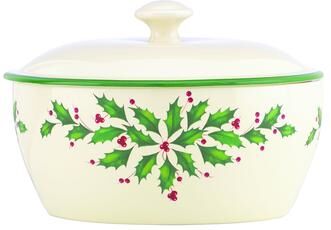
Lenox Hosting The Holidays Covered CasseroleThis Hosting the Holidays Casserole Dish is ideal for serving large dinner parties. Crafted of durable ivory porcelain, this spacious dish features a festive holly motif and comes with a matching lid.45,99 $*Shipping: 0,00 $Secure redirect to the provider
-
Lenox Hosting The Holidays Bread TrayWhether presenting an assortment of rolls or a buttery log of Texas toast, this festive ceramic Hosting the Holidays Bread Tray will not disappoint. The tray features a holly motif and is accented with 24-karat gold.44,49 $*Shipping: 0,00 $Secure redirect to the provider
-
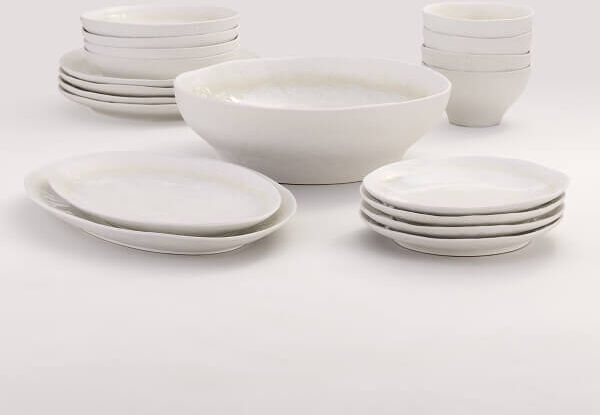
Stellar Stoneware Bantham Hosting For 4 SetIntroduce calm, contemporary style to your table with the Stellar Stoneware Bantham collection. Defined by smooth, modern contours and a soft green reactive glaze, each piece brings a fresh, artisan-inspired feel to everyday dining. Crafted from durable stoneware and fired for exceptional strength, the range offers excellent resistance to chipping and everyday wear. The naturally smooth glazed finish resists staining, cleans with ease, and provides a reassuringly balanced feel in hand. Its thick stoneware construction also enhances heat retention, helping dishes stay warmer for longer. Designed for modern living, every piece is microwave, dishwasher, and oven safe (up to 180°C), making the collection as practical as it is elegant—ideal for both daily use and relaxed entertaining. Set includes: 4 dinner plates, 4 side plates, 4x pasta bowls, 4 cereal bowls, 1x medium platter, 1x large platter and 1x serving bowl.199,95 £*Shipping: 0,00 £Secure redirect to the provider



-
What is agnosticism in your own words?
Agnosticism is the belief that the existence of God or a higher power cannot be known or proven. Agnostics do not claim to have knowledge or certainty about the existence of a deity, and they may be open to the possibility of a higher power but do not adhere to any specific religious beliefs. Agnosticism is often characterized by a skepticism towards religious claims and a focus on the limitations of human understanding when it comes to matters of the divine. **
-
What is the difference between agnosticism and atheism?
Agnosticism is the belief that the existence of a higher power or deity is unknown or unknowable. Agnostics do not claim to know whether a god or gods exist or not. Atheism, on the other hand, is the lack of belief in the existence of any deities. Atheists do not believe in the existence of any gods or higher powers. While agnostics are unsure or skeptical about the existence of a higher power, atheists outright reject the belief in any deity. **
-
How can one transition from Islam to agnosticism?
Transitioning from Islam to agnosticism can be a deeply personal and complex journey. It may involve questioning and reevaluating one's beliefs, seeking out different perspectives and information, and engaging in introspection and self-reflection. It can also involve finding support from others who have gone through similar experiences and exploring different spiritual or philosophical paths. Ultimately, the transition to agnosticism may involve embracing uncertainty and being open to the idea that there may not be definitive answers to questions about the existence of a higher power or the nature of the universe. **
-
What is the difference between atheism and agnosticism?
Atheism is the belief that there is no god or gods, while agnosticism is the belief that the existence of god or gods is unknown or unknowable. Atheists actively deny the existence of a higher power, while agnostics simply claim that the existence of a higher power cannot be proven or disproven. In other words, atheism is a belief in the absence of a god, while agnosticism is a lack of belief in the presence or absence of a god. **

What religions are there, such as Christianity, Islam, Agnosticism, etc.?
There are many religions practiced around the world, including Christianity, Islam, Hinduism, Buddhism, Judaism, Sikhism, and many others. Additionally, there are belief systems such as agnosticism, atheism, and secular humanism that do not adhere to a specific religious tradition. Each of these religions and belief systems has its own unique set of beliefs, practices, and traditions. **
What are some problematic questions related to atheism and agnosticism?
Some problematic questions related to atheism and agnosticism include: 1. "How can you be moral without belief in a higher power?" This question assumes that morality is dependent on religious belief, which is not necessarily the case. 2. "Why don't you believe in God?" This question can be seen as confrontational and may put atheists and agnostics on the defensive. 3. "Are you just angry at God?" This question assumes that non-belief is rooted in emotion rather than rational thought. 4. "What if you're wrong?" This question can be seen as dismissive of an individual's beliefs and can be perceived as condescending. **
Top-Angebote
Products related to Agnosticism:
-
Uplift Essentials Sakura Blossom Temperature Responsive Moisturizing Lip Balm Sakura Blossom Temperature Responsive Moisturizing Lip BalmImmerse yourself in the delicate essence of spring with a lip treatment that offers both beauty and deep restoration. This colorchanging lip balm features advanced pHsensing technology that reacts to your bodys unique warmth, blooming into a...31,97 $*Shipping: 0,00 $Secure redirect to the provider
-
Lenox Hosting The Holidays Covered CasseroleThis Hosting the Holidays Casserole Dish is ideal for serving large dinner parties. Crafted of durable ivory porcelain, this spacious dish features a festive holly motif and comes with a matching lid.45,99 $*Shipping: 0,00 $Secure redirect to the provider
-
What is agnosticism?
Agnosticism is the belief that the existence of God or a higher power is unknown or unknowable. Agnostics do not claim to have definitive knowledge about the existence or non-existence of a deity, and they often take a skeptical or neutral stance on the topic of religion. Agnosticism is different from atheism, which asserts that there is no God, and from theism, which asserts that there is a God. **
-
Is agnosticism neutral or not?
Agnosticism is often considered neutral because it is the belief that the existence of a higher power or ultimate truth is unknown or unknowable. Agnostics do not claim to have knowledge or certainty about the existence of a deity or spiritual realm, which can be seen as a neutral stance. However, some argue that agnosticism is not entirely neutral as it implies a skepticism or doubt towards religious claims and can be seen as a rejection of absolute certainty in favor of open-mindedness and critical thinking. Ultimately, whether agnosticism is considered neutral or not may depend on individual perspectives and interpretations. **
-
What is agnosticism in your own words?
Agnosticism is the belief that the existence of God or a higher power cannot be known or proven. Agnostics do not claim to have knowledge or certainty about the existence of a deity, and they may be open to the possibility of a higher power but do not adhere to any specific religious beliefs. Agnosticism is often characterized by a skepticism towards religious claims and a focus on the limitations of human understanding when it comes to matters of the divine. **
-
What is the difference between agnosticism and atheism?
Agnosticism is the belief that the existence of a higher power or deity is unknown or unknowable. Agnostics do not claim to know whether a god or gods exist or not. Atheism, on the other hand, is the lack of belief in the existence of any deities. Atheists do not believe in the existence of any gods or higher powers. While agnostics are unsure or skeptical about the existence of a higher power, atheists outright reject the belief in any deity. **
Similar search terms for Agnosticism
-
Lenox Hosting The Holidays Bread TrayWhether presenting an assortment of rolls or a buttery log of Texas toast, this festive ceramic Hosting the Holidays Bread Tray will not disappoint. The tray features a holly motif and is accented with 24-karat gold.44,49 $*Shipping: 0,00 $Secure redirect to the provider
-
Stellar Stoneware Bantham Hosting For 4 SetIntroduce calm, contemporary style to your table with the Stellar Stoneware Bantham collection. Defined by smooth, modern contours and a soft green reactive glaze, each piece brings a fresh, artisan-inspired feel to everyday dining. Crafted from durable stoneware and fired for exceptional strength, the range offers excellent resistance to chipping and everyday wear. The naturally smooth glazed finish resists staining, cleans with ease, and provides a reassuringly balanced feel in hand. Its thick stoneware construction also enhances heat retention, helping dishes stay warmer for longer. Designed for modern living, every piece is microwave, dishwasher, and oven safe (up to 180°C), making the collection as practical as it is elegant—ideal for both daily use and relaxed entertaining. Set includes: 4 dinner plates, 4 side plates, 4x pasta bowls, 4 cereal bowls, 1x medium platter, 1x large platter and 1x serving bowl.199,95 £*Shipping: 0,00 £Secure redirect to the provider
-
Stellar Stoneware Bantham Hosting For 8 SetIntroduce calm, contemporary style to your table with the Stellar Stoneware Bantham collection. Defined by smooth, modern contours and a soft green reactive glaze, each piece brings a fresh, artisan-inspired feel to everyday dining. Crafted from durable stoneware and fired for exceptional strength, the range offers excellent resistance to chipping and everyday wear. The naturally smooth glazed finish resists staining, cleans with ease, and provides a reassuringly balanced feel in hand. Its thick stoneware construction also enhances heat retention, helping dishes stay warmer for longer. Designed for modern living, every piece is microwave, dishwasher, and oven safe (up to 180°C), making the collection as practical as it is elegant—ideal for both daily use and relaxed entertaining. Set includes: 8 dinner plates, 8 side plates, 8x pasta bowls, 8 cereal bowls, 1x medium platter, 1x large platter and 1x serving bowl324,95 £*Shipping: 0,00 £Secure redirect to the provider
-
Stellar Stoneware Mylor Hosting For 4 SetElevate everyday dining with the Stellar Stoneware Mylor collection, defined by its rich reactive glaze that gives each piece a subtly unique character. Blending warmth with understated style, Mylor brings a considered, artisanal touch to both casual meals and relaxed entertaining. Crafted from durable stoneware and fired for strength, each piece is designed to withstand daily use while maintaining its refined appearance. Plates and bowls are thoughtfully weighted for a balanced, comfortable feel in hand—offering reassuring sturdiness without compromising elegance. The thick stoneware construction also provides excellent heat retention, helping dishes stay warmer for longer. Designed for modern living, the collection is microwave and dishwasher safe, and suitable for oven use up to 180°C—ideal for everything from reheating to finishing dishes. Set includes: 4 dinner plates, 4 side plates, 4x pasta bowls, 4 cereal bowls, 1x medium platter, 1x large platter and 1x serving bowl.199,95 £*Shipping: 0,00 £Secure redirect to the provider
-
How can one transition from Islam to agnosticism?
Transitioning from Islam to agnosticism can be a deeply personal and complex journey. It may involve questioning and reevaluating one's beliefs, seeking out different perspectives and information, and engaging in introspection and self-reflection. It can also involve finding support from others who have gone through similar experiences and exploring different spiritual or philosophical paths. Ultimately, the transition to agnosticism may involve embracing uncertainty and being open to the idea that there may not be definitive answers to questions about the existence of a higher power or the nature of the universe. **
-
What is the difference between atheism and agnosticism?
Atheism is the belief that there is no god or gods, while agnosticism is the belief that the existence of god or gods is unknown or unknowable. Atheists actively deny the existence of a higher power, while agnostics simply claim that the existence of a higher power cannot be proven or disproven. In other words, atheism is a belief in the absence of a god, while agnosticism is a lack of belief in the presence or absence of a god. **
-
What religions are there, such as Christianity, Islam, Agnosticism, etc.?
There are many religions practiced around the world, including Christianity, Islam, Hinduism, Buddhism, Judaism, Sikhism, and many others. Additionally, there are belief systems such as agnosticism, atheism, and secular humanism that do not adhere to a specific religious tradition. Each of these religions and belief systems has its own unique set of beliefs, practices, and traditions. **
-
What are some problematic questions related to atheism and agnosticism?
Some problematic questions related to atheism and agnosticism include: 1. "How can you be moral without belief in a higher power?" This question assumes that morality is dependent on religious belief, which is not necessarily the case. 2. "Why don't you believe in God?" This question can be seen as confrontational and may put atheists and agnostics on the defensive. 3. "Are you just angry at God?" This question assumes that non-belief is rooted in emotion rather than rational thought. 4. "What if you're wrong?" This question can be seen as dismissive of an individual's beliefs and can be perceived as condescending. **
* All prices are inclusive of VAT and, if applicable, plus shipping costs. The offer information is based on the details provided by the respective shop and is updated through automated processes. Real-time updates do not occur, so deviations can occur in individual cases. ** Note: Parts of this content were created by AI.